Unlocking the Fun and Benefits of Sudoku Level Easy, Medium, and Hard Puzzles
Sudoku is a classic puzzle game that has captured the hearts and minds of people around the world. Whether you're a seasoned puzzler or just starting out, Sudoku Level Easy, Medium, and Hard Puzzle Book offers a delightful and engaging experience. This book is perfect for anyone looking to challenge their brain, pass the time, or simply enjoy a relaxing yet stimulating activity.
What Makes Sudoku So Appealing?
Sudoku puzzles are not just about numbers; they are about logic, pattern recognition, and strategic thinking. The game's simplicity and accessibility make it a favorite among a wide range of age groups and skill levels. From beginners to advanced players, Sudoku provides a unique and rewarding challenge.
Perfect for Various Situations
One of the greatest strengths of Sudoku is its versatility. Here are some real-world scenarios where Sudoku can be particularly useful:
- During Travel: Long flights, train rides, or road trips can be made more enjoyable with a Sudoku puzzle book. It’s a great way to keep your mind active and engaged during downtime.
- At Home: Whether you're winding down after a long day or looking for a quiet activity on a rainy afternoon, Sudoku is a perfect choice. It’s a solitary activity that can be both calming and intellectually stimulating.
- In the Office: A short break to solve a Sudoku puzzle can help refresh your mind and improve focus. Many professionals find that taking a few minutes to work on a puzzle enhances their productivity and creativity.
A Game for All Ages
Sudoku is not just for adults; it’s a fantastic tool for children and teenagers as well. Here’s how different age groups can benefit from Sudoku:
- Children (Ages 8-12): Sudoku can help develop critical thinking and problem-solving skills. It’s a fun and educational way to introduce children to logical reasoning and pattern recognition.
- Teenagers (Ages 13-19): For teens, Sudoku can be a great stress reliever. It helps them take a break from academic pressures and social media, providing a focused and rewarding activity.
- Adults (Ages 20-50): Adults can use Sudoku to maintain cognitive sharpness and reduce stress. It’s a versatile pastime that can be enjoyed alone or with friends and family.
Industries and Purposes
Beyond personal enjoyment, Sudoku puzzles have practical applications in various fields:
- Education: Teachers can use Sudoku as a teaching tool to help students develop logical thinking and mathematical skills. It’s an engaging way to make learning fun and interactive.
- Healthcare: Sudoku can be a beneficial activity for patients in rehabilitation. It helps with cognitive recovery and can be a part of therapy for conditions like stroke or brain injuries.
- Business: In the corporate world, Sudoku can be used as a team-building exercise. Solving puzzles in a group setting promotes collaboration and creative problem-solving.
Practical Examples and Observations
Let’s dive into some specific examples of how Sudoku can be used in different contexts:
- Travel Companion: Sarah, a frequent traveler, always carries her Sudoku puzzle book on her journeys. She finds that solving puzzles during layovers and long flights helps her stay calm and focused, making her travel experience more enjoyable.
- Family Bonding: John and his family often spend evenings solving Sudoku puzzles together. It’s become a cherished tradition that brings them closer and provides a shared activity that everyone enjoys.
- Work Breaks: Emily, a busy professional, takes a 10-minute break every afternoon to solve a Sudoku puzzle. She notices that this brief mental break helps her return to her tasks with renewed energy and clarity.
Common Considerations
While Sudoku is a wonderful and versatile activity, there are a few considerations to keep in mind:
- Difficulty Levels: Start with easier puzzles if you’re a beginner and gradually move to harder ones as you gain confidence. The Sudoku Level Easy, Medium, and Hard Puzzle Book offers a variety of challenges to suit all skill levels.
- Consistency: Regular practice is key to improving your Sudoku skills. Try to set aside a few minutes each day to work on puzzles and track your progress over time.
- Patience: Sudoku requires patience and persistence. Don’t get discouraged if you don’t solve a puzzle immediately. Take your time and enjoy the process.
Strengths and Limitations
The strengths of Sudoku are numerous: it’s accessible, engaging, and mentally stimulating. However, it’s important to note that Sudoku may not be for everyone. Some individuals might find the puzzles too challenging or prefer other types of activities. Additionally, while Sudoku is a great brain exercise, it should be balanced with other forms of physical and mental activities for a well-rounded lifestyle.
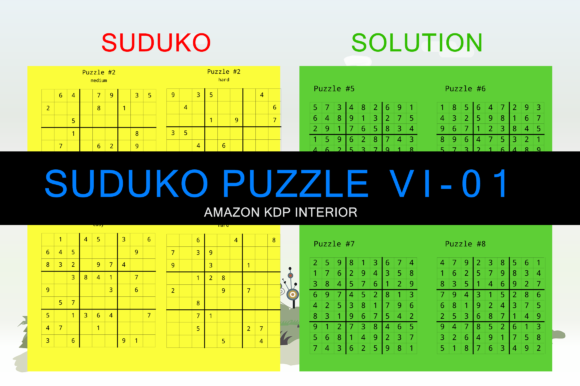
Whether you’re looking to enhance your cognitive skills, find a new hobby, or simply enjoy a fun and challenging activity, the Sudoku Level Easy, Medium, and Hard Puzzle Book is an excellent choice. With 57 pages of puzzles, solution files, and a cover template, it’s ready to upload to Amazon KDP or print for personal use. Dive into the world of Sudoku and discover the joy and benefits it can bring to your life.